
On Earth Day, conversations around sustainability in construction often focus on what can be added—new technologies, new systems, new layers of performance.
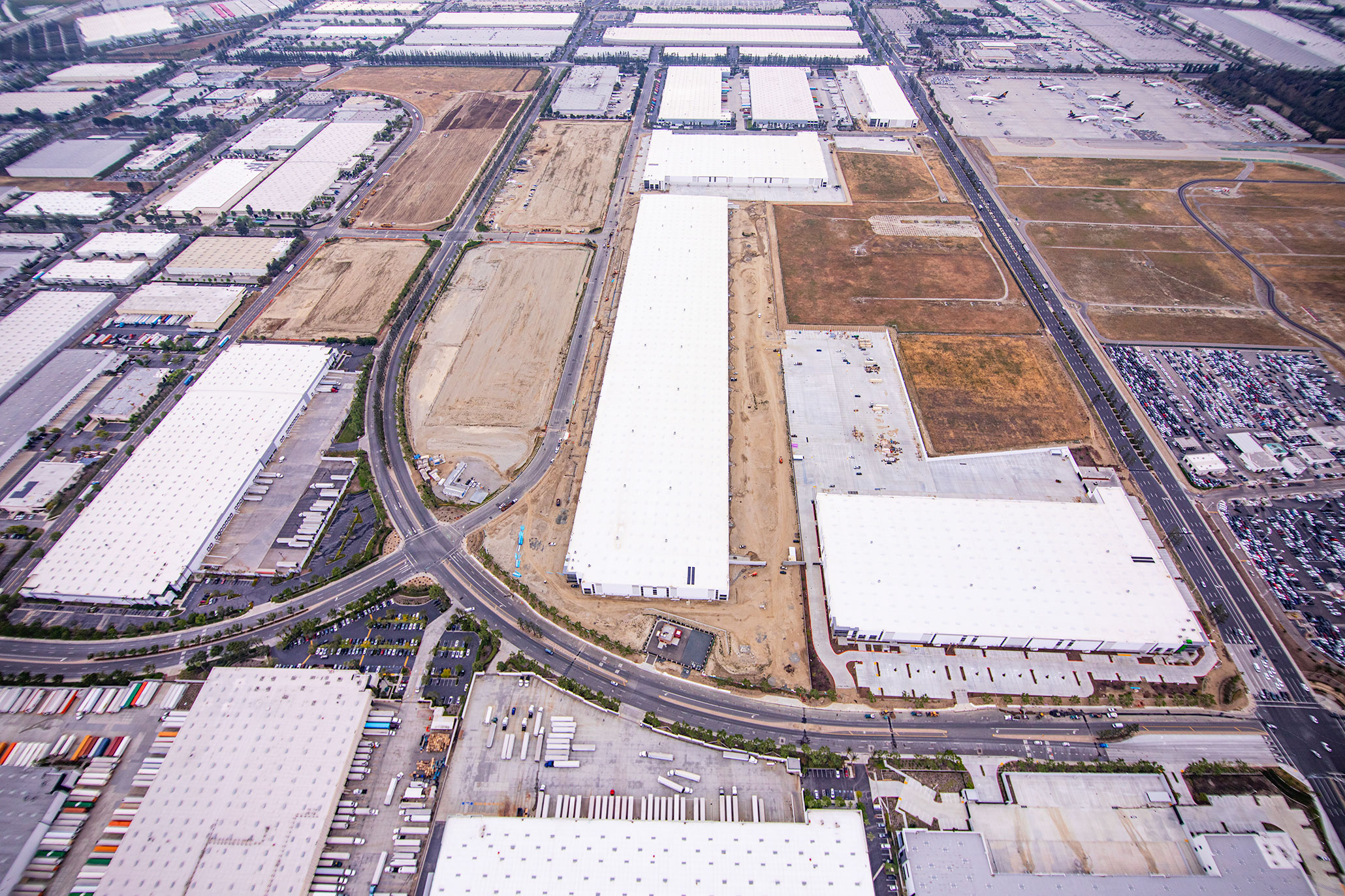
The Hub @ Ontario International Airport – Phase 1 reflects a more familiar principle—reduce, reuse, recycle—but applied with a level of scale and precision that remains uncommon in practice.
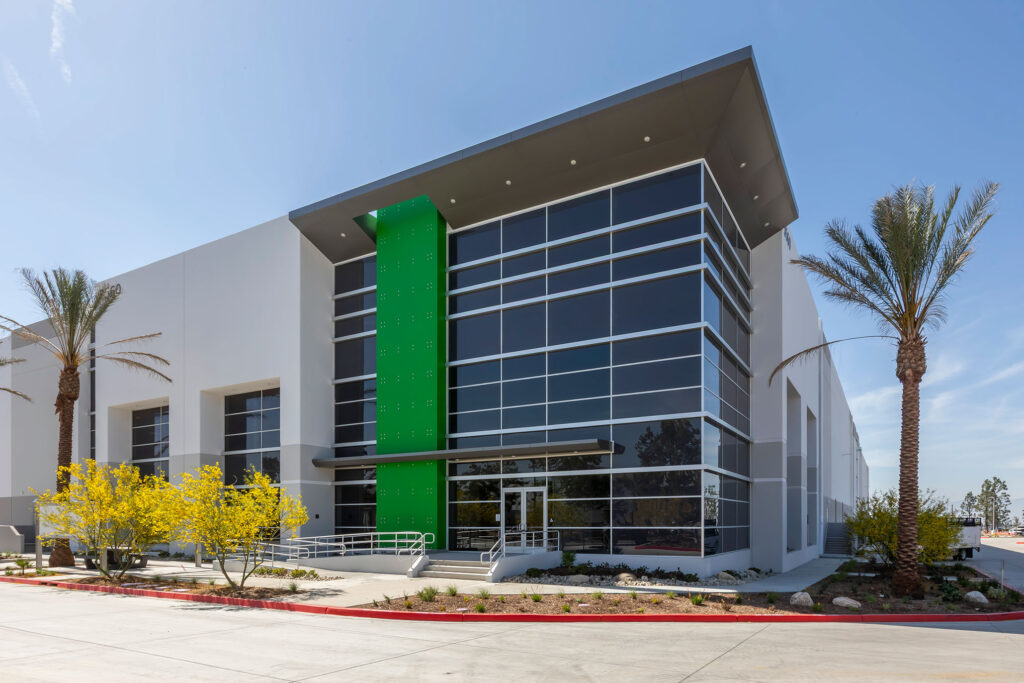
Recognized with the Tilt-Up Concrete Association’s Excellence in Sustainability + Resiliency Award, the project team—led by Guy Yocom and Total Integrated Panel Systems, LLC—delivered a large-scale industrial development that demonstrates how material efficiency, when fully integrated into design and construction, can produce measurable environmental outcomes.
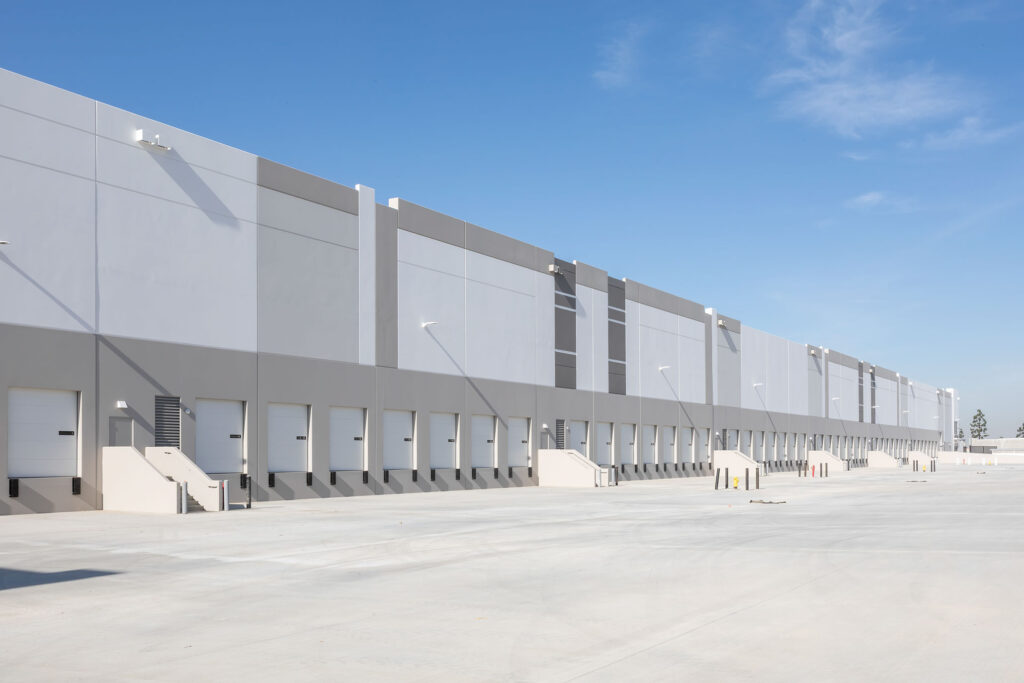
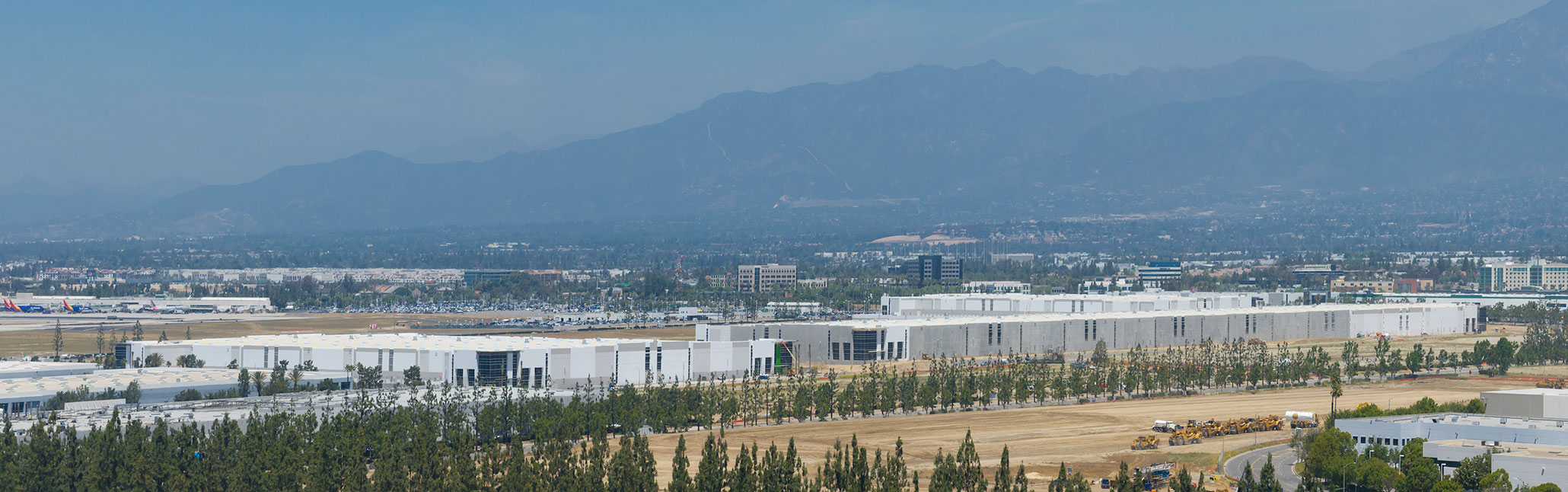
Spanning more than two million square feet in its first phase, the project was designed to meet “best in class” standards for functionality, sustainability, and long-term regulatory compliance in one of the most demanding building environments in the country.
Reducing Carbon Through Design
A single design decision reshaped the project’s environmental impact.
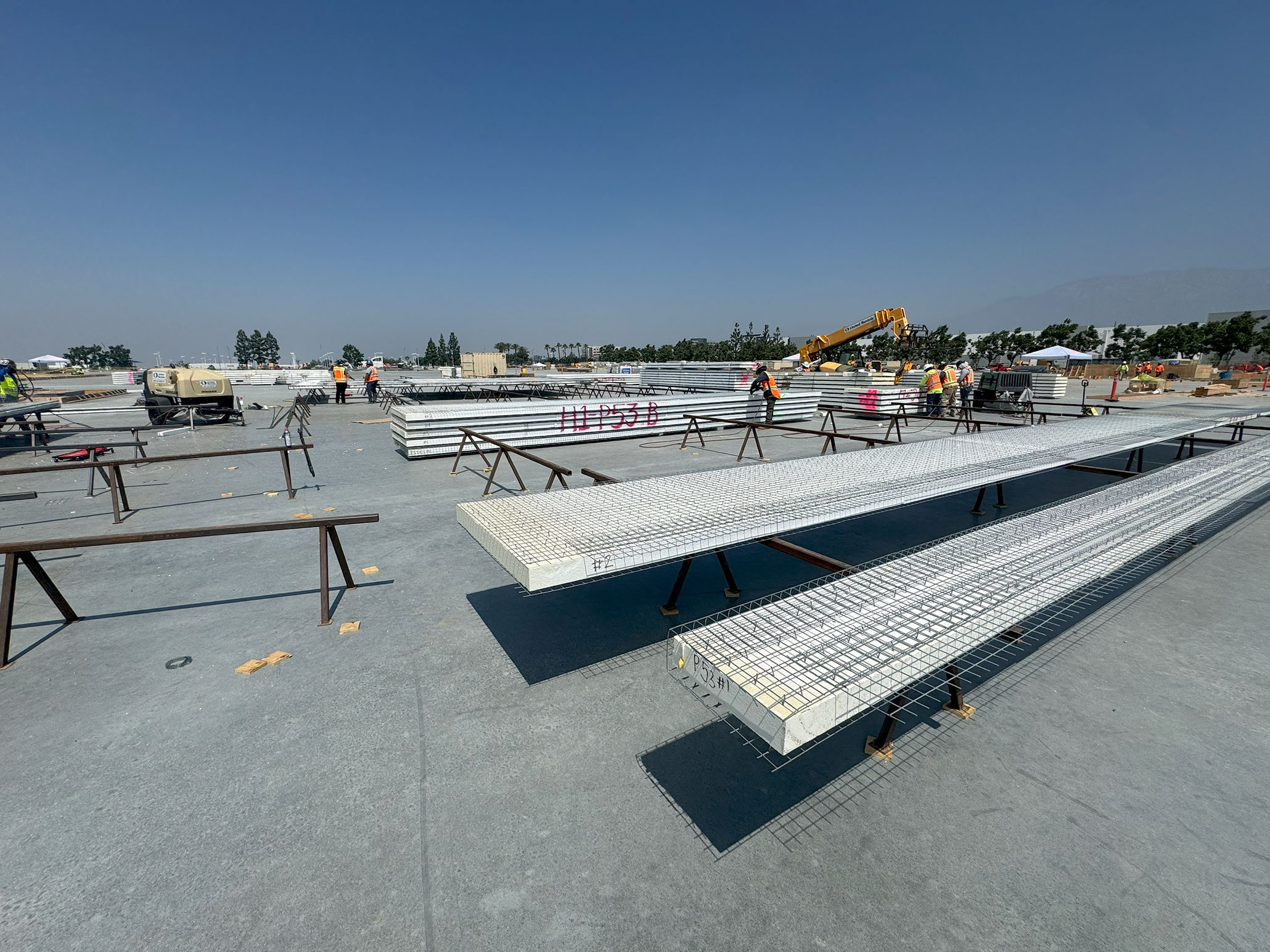
Originally conceived as 9.5-inch solid panels, the exterior walls were re-engineered using a fully composite tilt-up system. The resulting panel design integrates insulation between two concrete wythes, with a total concrete thickness of just 5.25 inches.
This shift delivered measurable reductions across multiple systems:
- Concrete volume reduced by 42%
- Reinforcing steel reduced by 62%
- Foundation systems reduced by approximately 12%
The impact was further validated through third-party life cycle analysis:
- 41% reduction in exterior wall embodied carbon
- 36% reduction in site concrete
- 31% reduction in slab-on-grade
- 28% reduction in foundations and footings
Material strategies reinforced these gains. Concrete mixes incorporated Type 1L cement, fly ash, and CarbonCure technology to reduce cement demand while embedding captured CO₂ within the material. At the same time, reducing total material quantities lowered associated waste and resource use, including an estimated savings of more than 600,000 gallons of water during construction.
Performance and Long-Term Impact
The benefits of the composite panel system extend beyond construction.
Increased insulation thickness improved thermal performance from approximately R-12 to R-16, contributing to an estimated 8% reduction in heating and cooling energy demand.
Operational strategies further support long-term efficiency. Roof-mounted solar systems, installed in accordance with CALGreen requirements, help offset peak electrical demand, while subsurface stormwater systems restore groundwater recharge patterns disrupted by development. Drought-tolerant landscaping and recycled water irrigation reduce ongoing water consumption.
The project’s location in a high seismic zone also informed its design. By reducing panel weight, the composite system lowers seismic loads on the structure while maintaining durability and long service life. Tilt-up construction further contributes to resilience through inherent fire resistance and reduced maintenance requirements over time.
Delivering at Scale
These outcomes were achieved within a highly compressed construction schedule.
Slab work and panel erection for four buildings—more than two million square feet—were completed within five months. The site’s proximity to Ontario International Airport required close coordination with airport operations, including temporary runway closures during crane activity.
The result is a project that demonstrates how a well-established principle—reducing material use—can deliver meaningful results when executed with discipline, coordination, and technical precision at scale.
By The Tilt-Up Concrete Association

Be the first to comment