
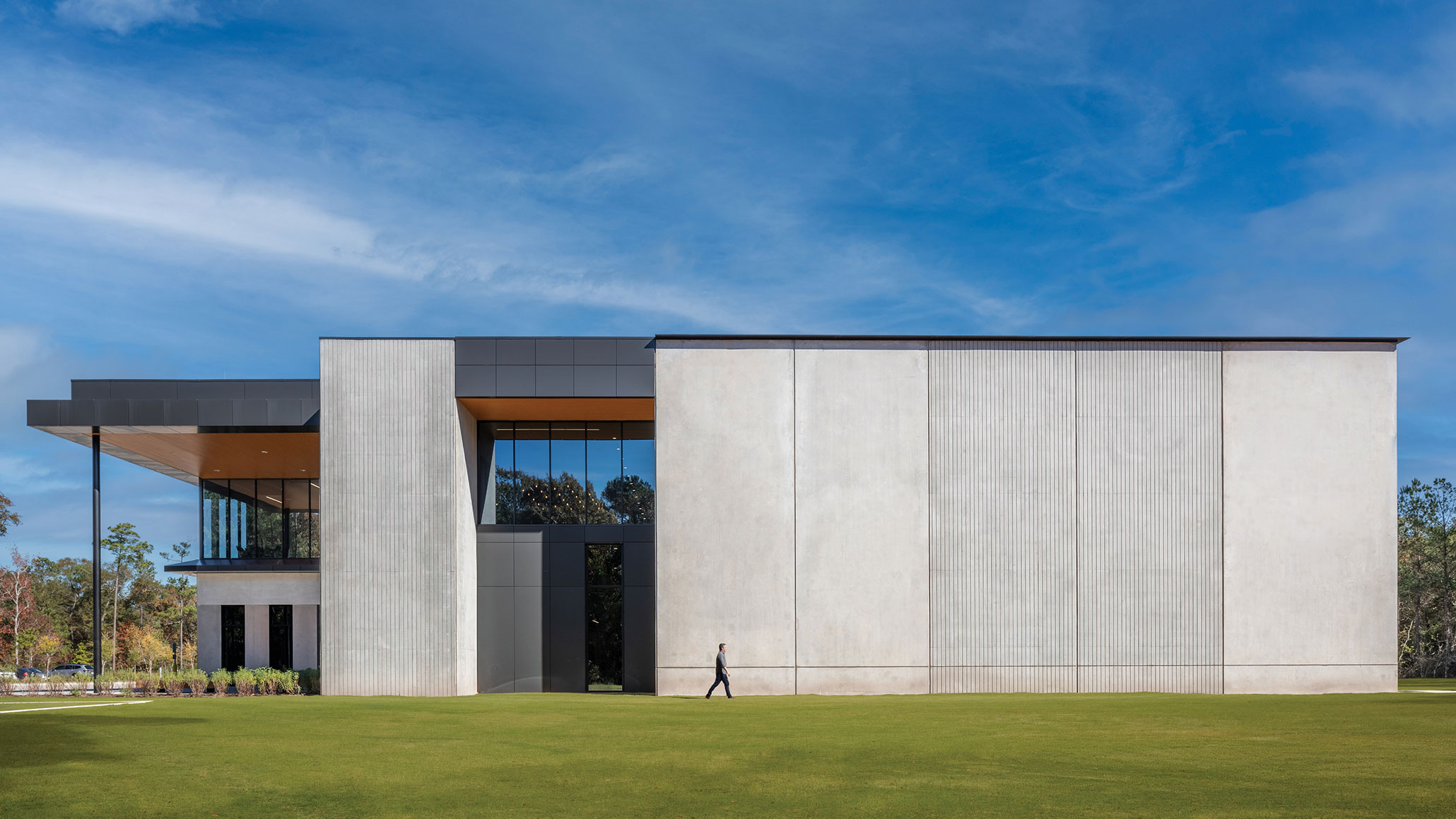
The VGXI Headquarters and Biomanufacturing Facility in Conroe, Texas, is a 121,600-square-foot production and office building developed to support pharmaceutical manufacturing and corporate operations within a controlled environment. Recognized with a Tilt-Up Achievement Award, the project illustrates how tilt-up construction can be adapted to meet the stringent requirements of cGMP facilities while contributing to long-term flexibility and architectural clarity.
Located on a 20-acre site within an emerging research and technology park, the facility was planned to accommodate both immediate operational needs and future expansion. The use of site-cast tilt-up panels as modular units established a framework aligned with the repetitive and highly controlled nature of laboratory and manufacturing environments. Rather than introducing complexity through variation in panel geometry, the design relied on a limited family of panel types that could be repeated and adjusted to achieve both performance and visual interest.
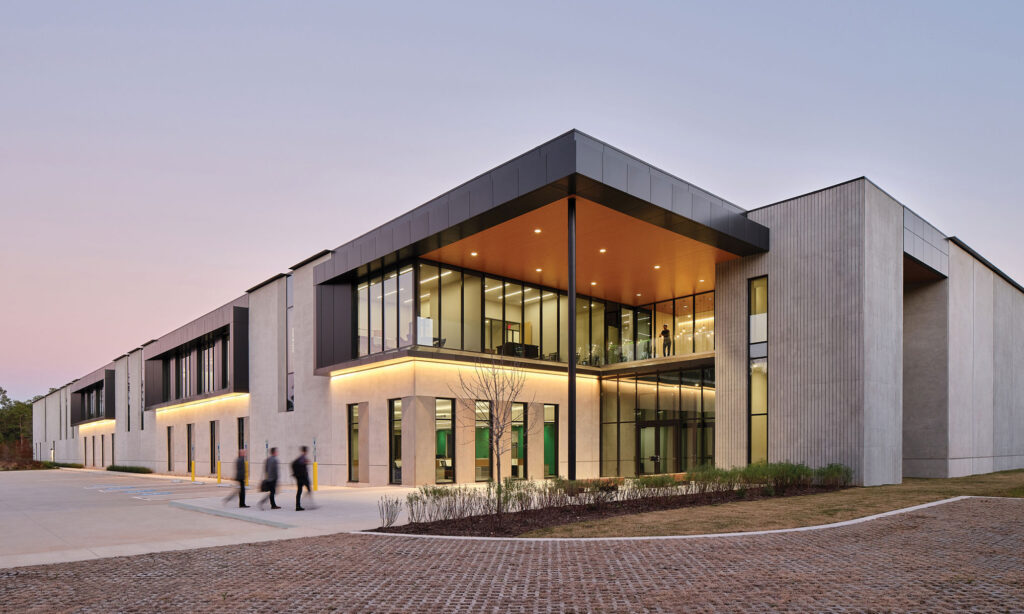
A total of 45,912 square feet of tilt-up wall panels formed the building enclosure. Panels reached heights of up to 39 feet and widths of 18 feet 9 inches, with the largest panel measuring 731 square feet and weighing 83,000 pounds. These dimensions reflect a balance between structural efficiency and constructability, allowing the project to maintain consistency in forming, lifting, and erection while supporting the scale required for manufacturing operations.
Variation across the façade was achieved through the strategic placement of voids, reveals, and surface treatments rather than through the introduction of unique panel forms. This approach maintained fabrication efficiency while creating a layered composition that responds to changing light conditions. Openings were integrated to support daylighting requirements without compromising structural performance, reinforcing the importance of aligning architectural intent with panel engineering early in the design process.
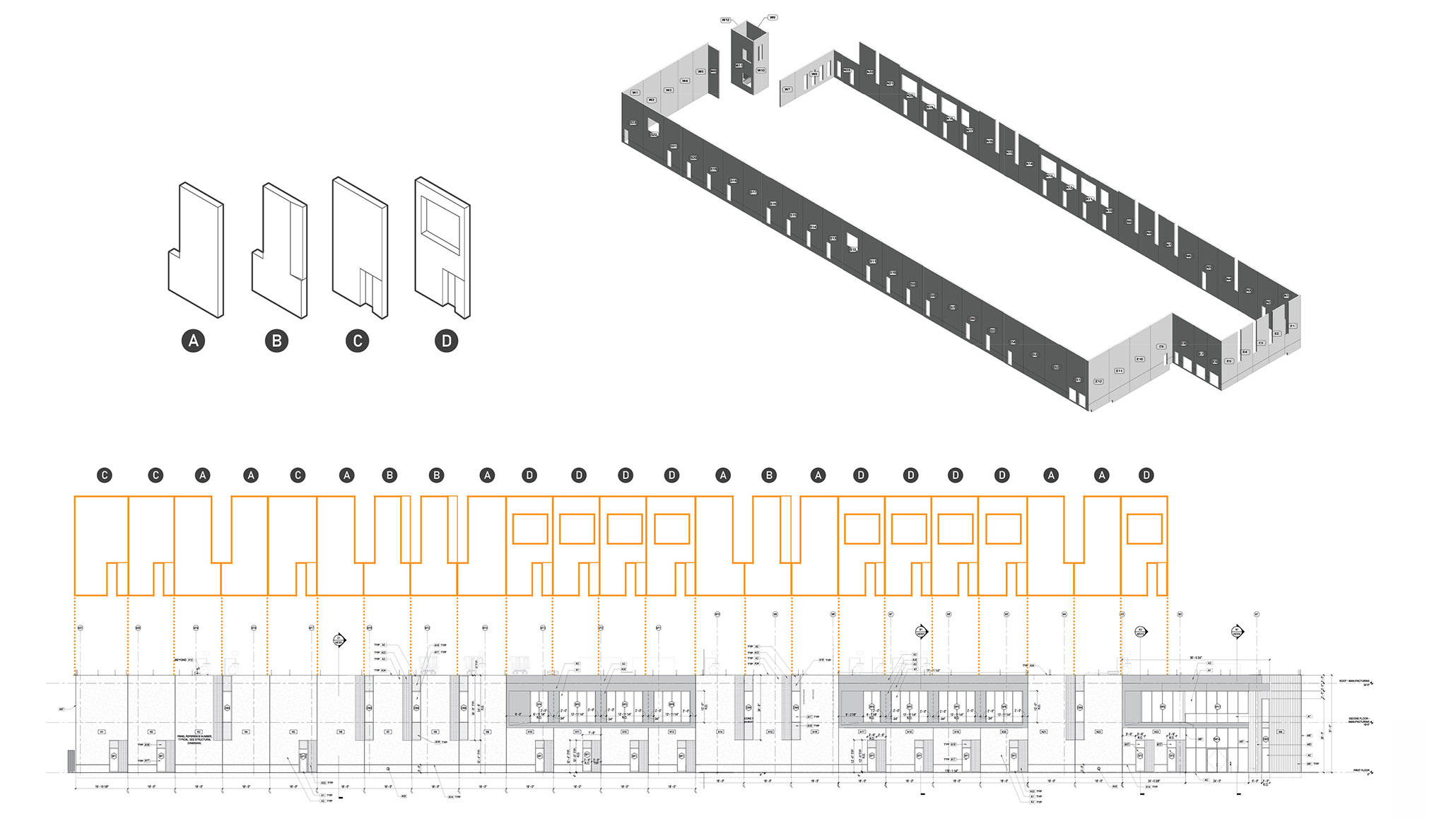
The façade strategy relied on a limited set of panel types arranged through shifts in voids, massing, and reveals to produce varied elevations, while corresponding structural isometrics mapped each panel location, reducing design complexity and minimizing calculation effort during both design and construction phases.
Surface articulation played a central role in reducing the perceived scale of the building. Chamfers, parapet caps, and varied textures were introduced to create depth and shadow across the façade. A two-inch chamfer, while minimal in dimension, was found to significantly influence how light interacts with the panel surface. The design team used both digital studies and full-scale physical mock-ups to evaluate these effects, including multiple sandblast levels and board-formed textures. This process allowed the team to calibrate surface treatments and confirm constructability prior to full production.
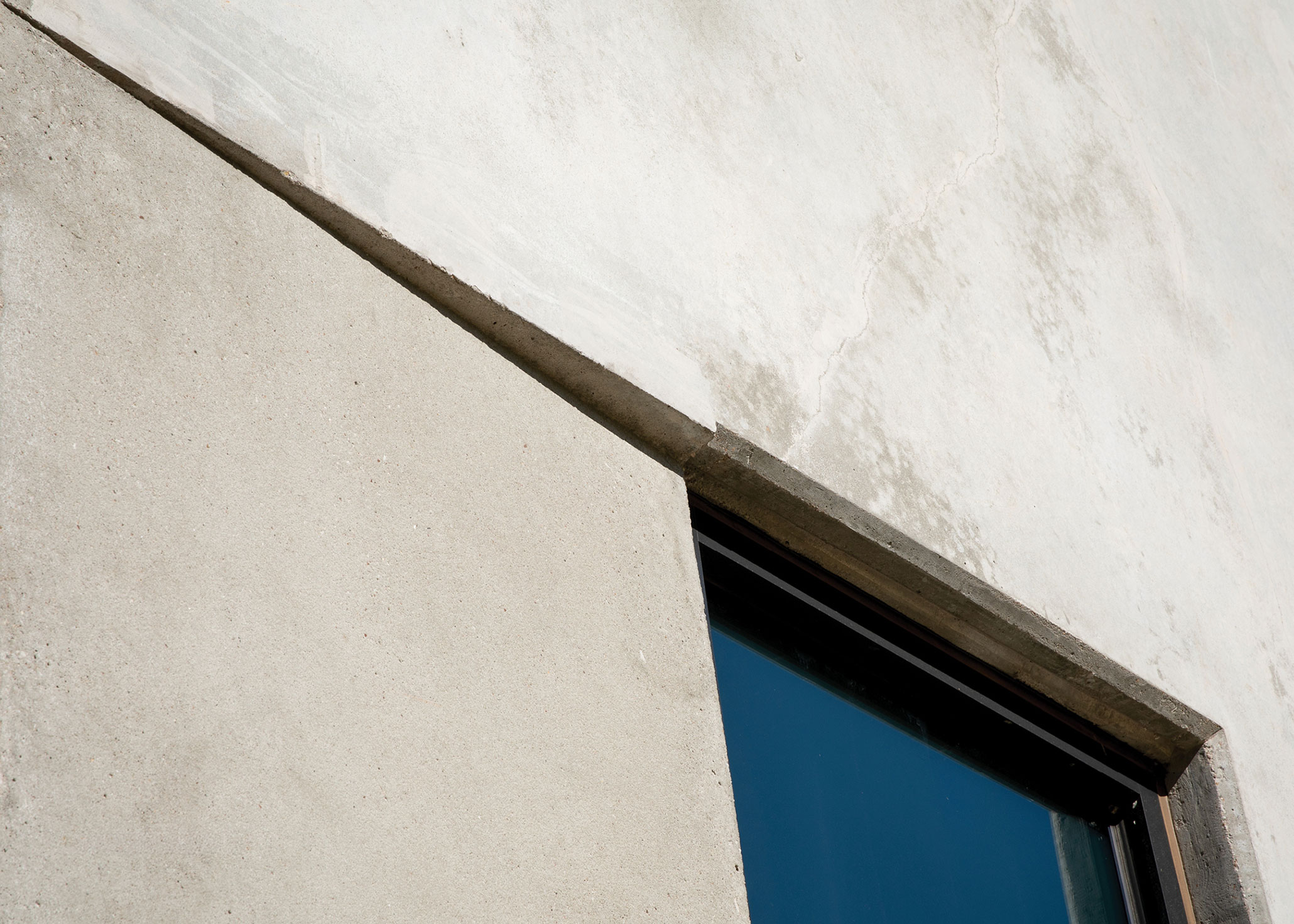
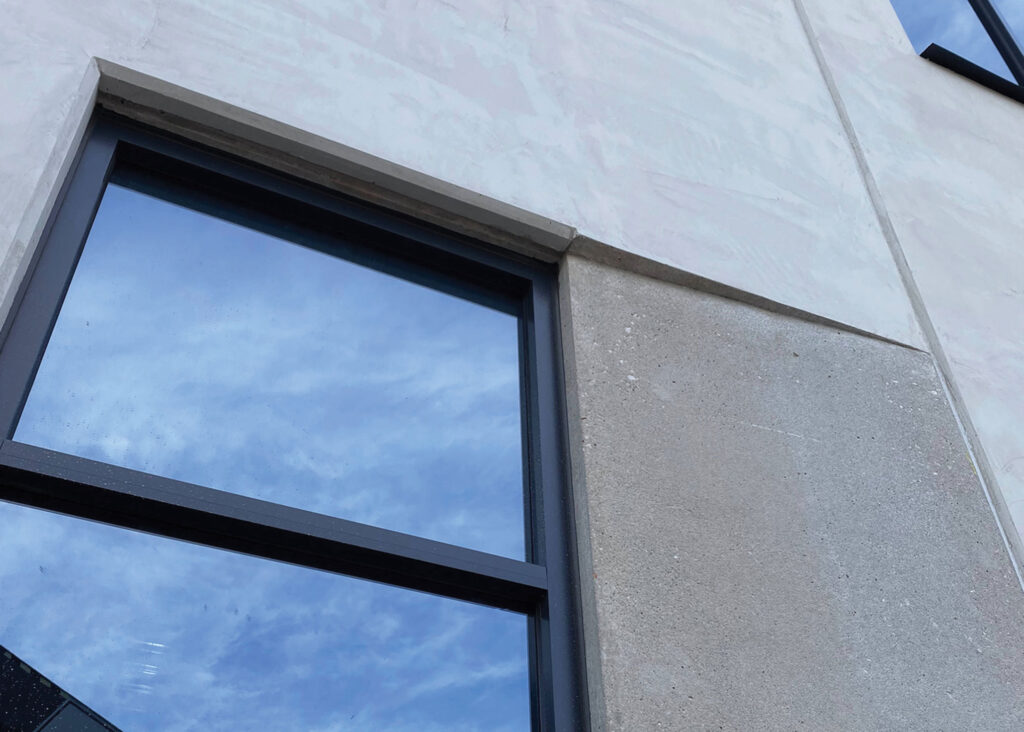
Material availability introduced additional constraints. Extended lead times for form liners required the team to shift toward simpler detailing strategies, using chamfers to create depth and shadow while maintaining the construction schedule. This adjustment demonstrates how early coordination and flexibility in detailing can mitigate supply chain impacts without compromising overall design intent.
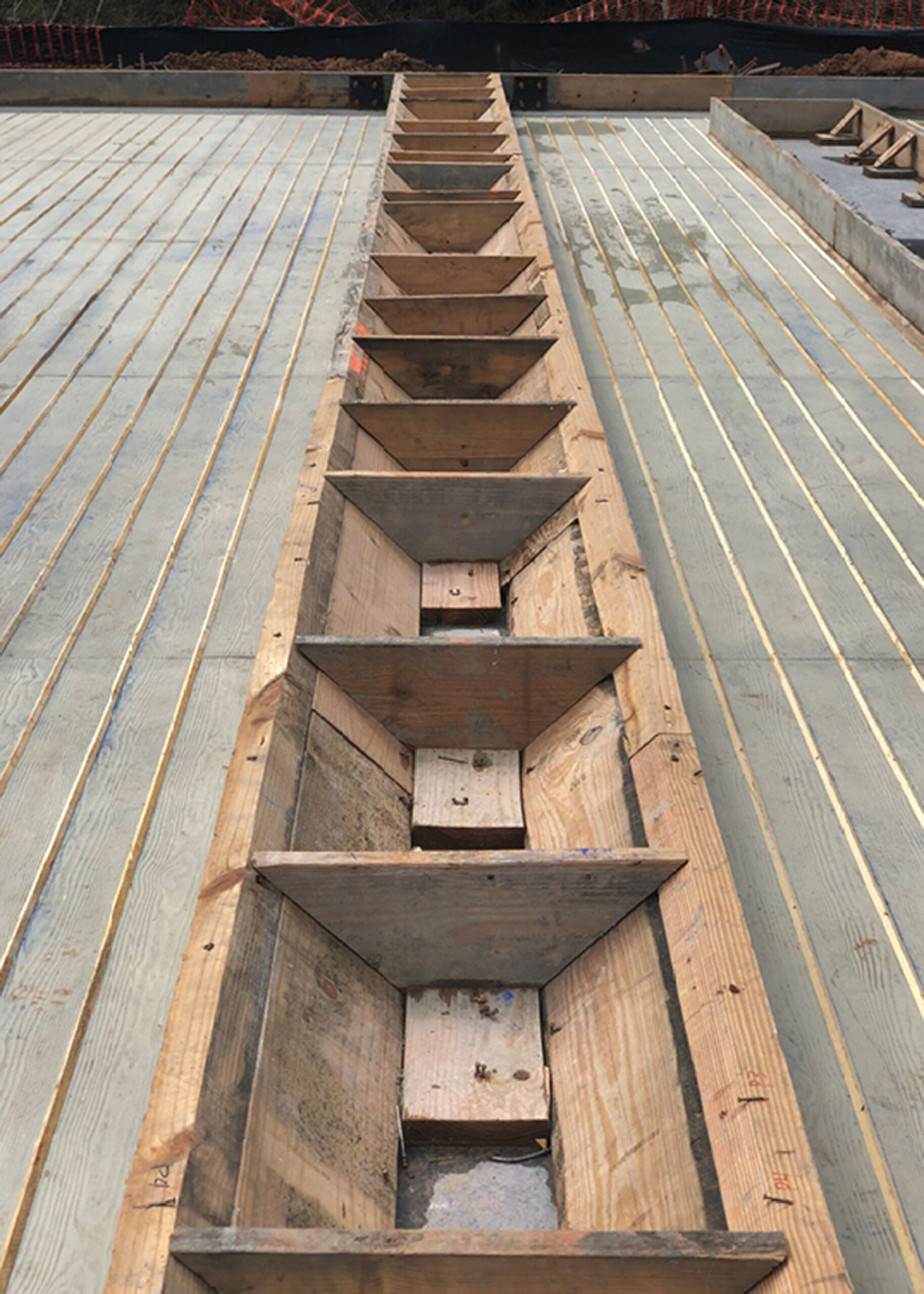
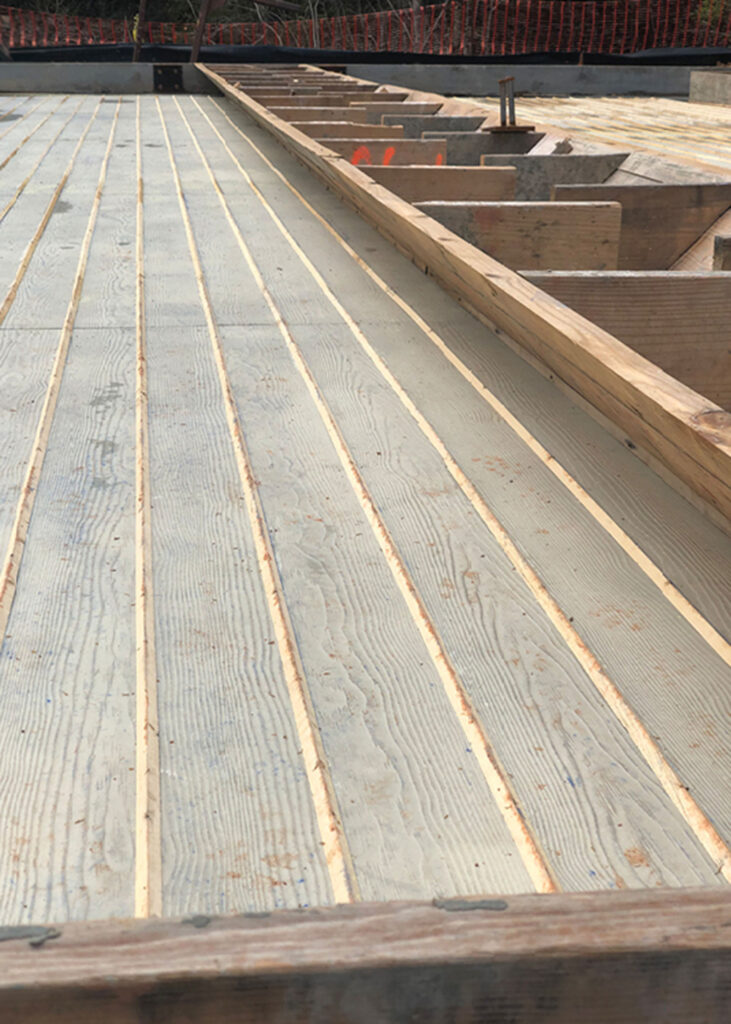
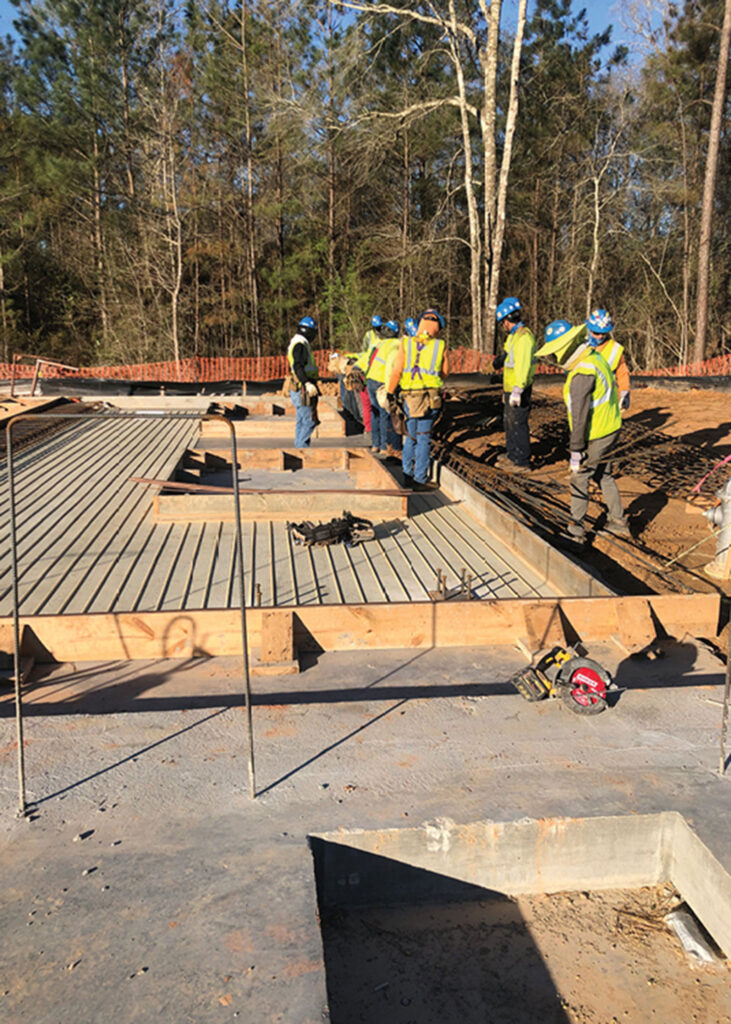
The project emphasized close coordination between the design team and construction team, particularly in aligning panel detailing with erection sequencing and forming practices. Panels were cast on site, lifted, and braced using conventional tilt-up methods. Interlocking conditions, stacked panels, reveals, and embedded elements were incorporated within standard practices to achieve depth and variation without increasing construction complexity.
Interior spaces extended the logic of material restraint and clarity. Polished concrete floors, wood elements, and controlled use of color supported wayfinding and defined shared spaces. Circulation zones and double-height areas reinforced visual connections between interior and exterior conditions, establishing continuity across the building.
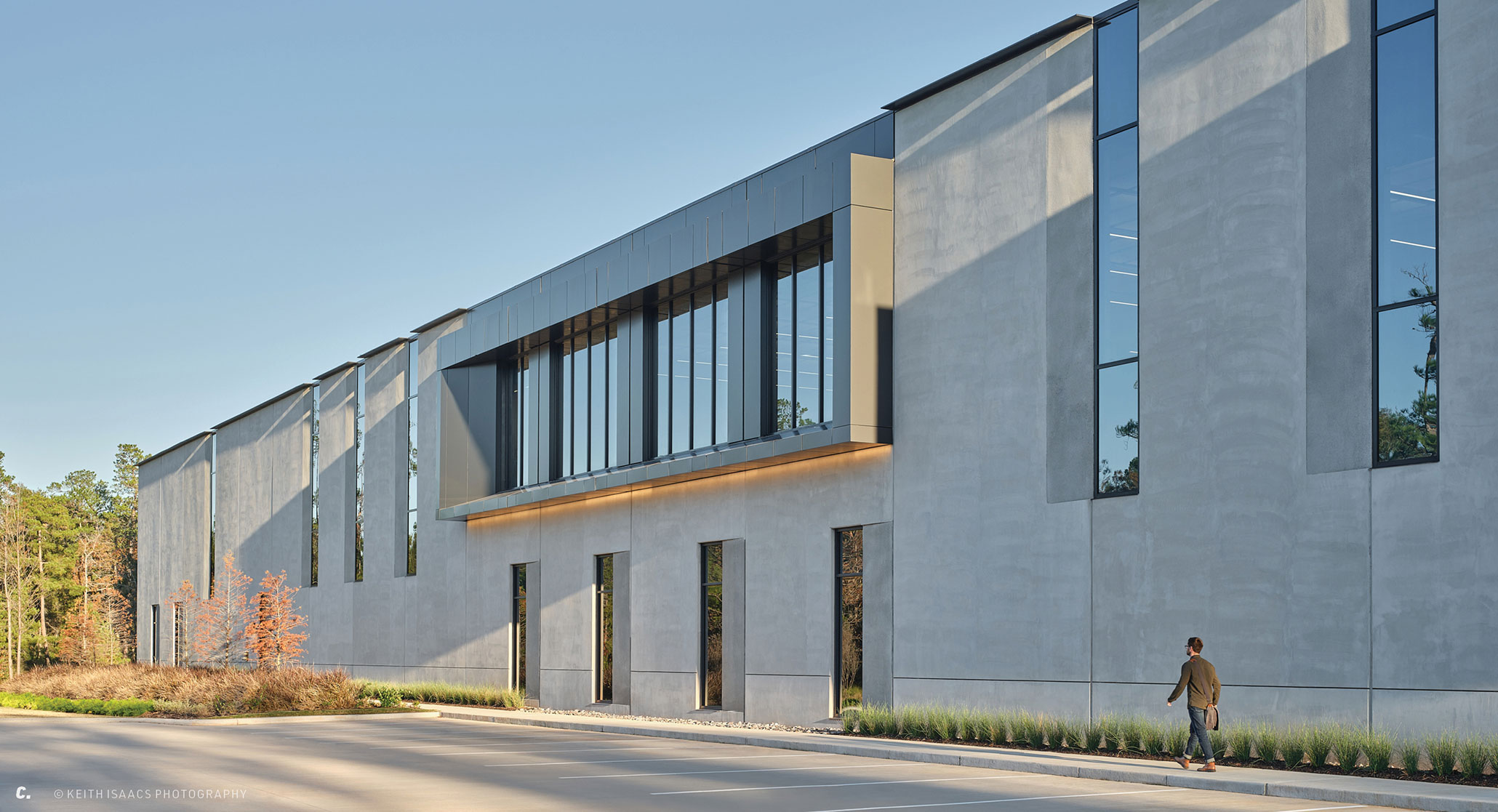
The modular panel strategy also supported long-term expansion. Select panels were designed for potential removal, allowing the facility to grow without disrupting the overall composition. By aligning panel layout with future expansion zones, the project established a framework that accommodates change while maintaining operational continuity.
This project demonstrates how tilt-up construction can be applied to complex manufacturing environments through disciplined use of modularity and repetition. By limiting panel variation and focusing on surface articulation, the design team achieved both constructability and architectural expression. The approach offers a repeatable model for balancing efficiency, performance, and adaptability in tilt-up systems.
Project Credits
Concrete Contractor: Orion (Formally TAS Commercial Concrete Construction)
Photographer(s): Keith Isaacs Photography and Mario Gandia
This article was generated based on content submitted during the Tilt-Up Achievement Awards program.

Be the first to comment