
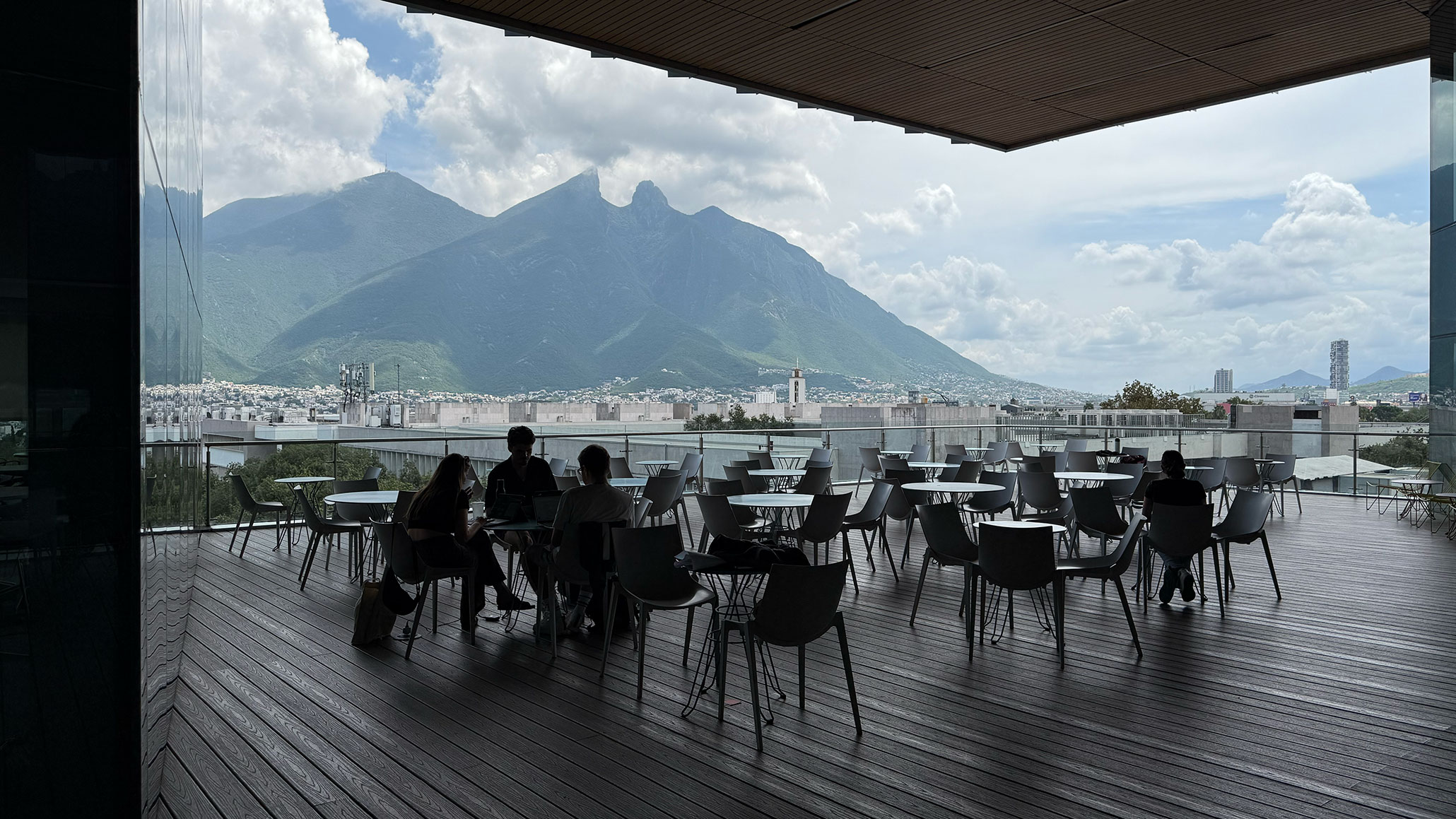
A view of Cerro de la Silla from BiblioTEC at Tecnológico de Monterrey’s Monterrey campus.
For 28 students at Tecnológico de Monterrey, learning about tilt-up this semester goes well beyond a guest lecture.
As part of the university’s Lean Construction Methodology course led by Dr. Juan Pablo Solís, students are completing eight courses through Tilt-Up Academy as part of their semester grade. Through the collaboration, they have access to education developed from the knowledge and experience of the professional tilt-up industry—before most have entered professional practice.
It is a significant step in the growing relationship between Tecnológico de Monterrey and the Tilt-Up Concrete Association, but it also demonstrates something larger: what becomes possible when the educational resources of an industry association are connected directly with a university classroom.
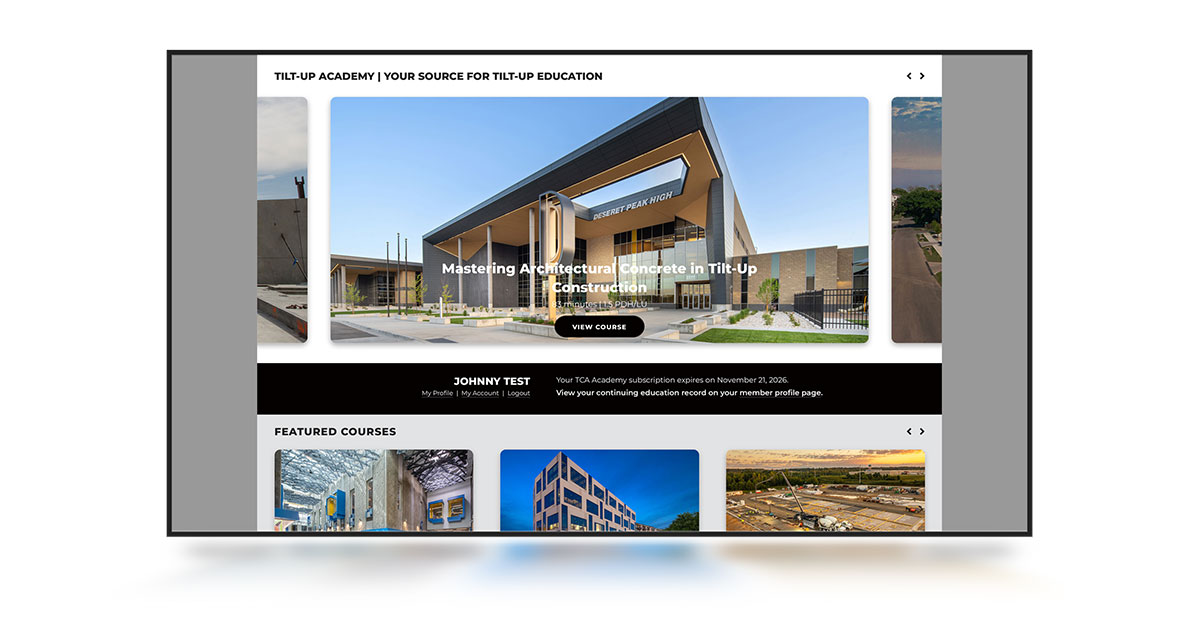
Tilt-Up Academy connects learners with industry-developed education covering the design, engineering, construction, and broader practice of tilt-up.
Bringing Industry Knowledge Into the Classroom
At Tecnológico de Monterrey, Tilt-Up Academy is being used as more than an online educational resource.
Rather than asking students simply to attend a presentation or explore industry resources on their own, Academy coursework has been incorporated into their university experience. Students complete courses and assessments through Tilt-Up Academy, while faculty can follow participation, course completions, and assessment results.
For the professor, the model is intentionally simple. A consolidated classroom view shows how individual students and the class as a whole are progressing, while a classroom progress report provides a straightforward way to document participation and performance.
The infrastructure largely stays out of the way. The objective was not to create another educational platform, but to make the considerable body of education already available through Tilt-Up Academy practical for use in a university classroom.
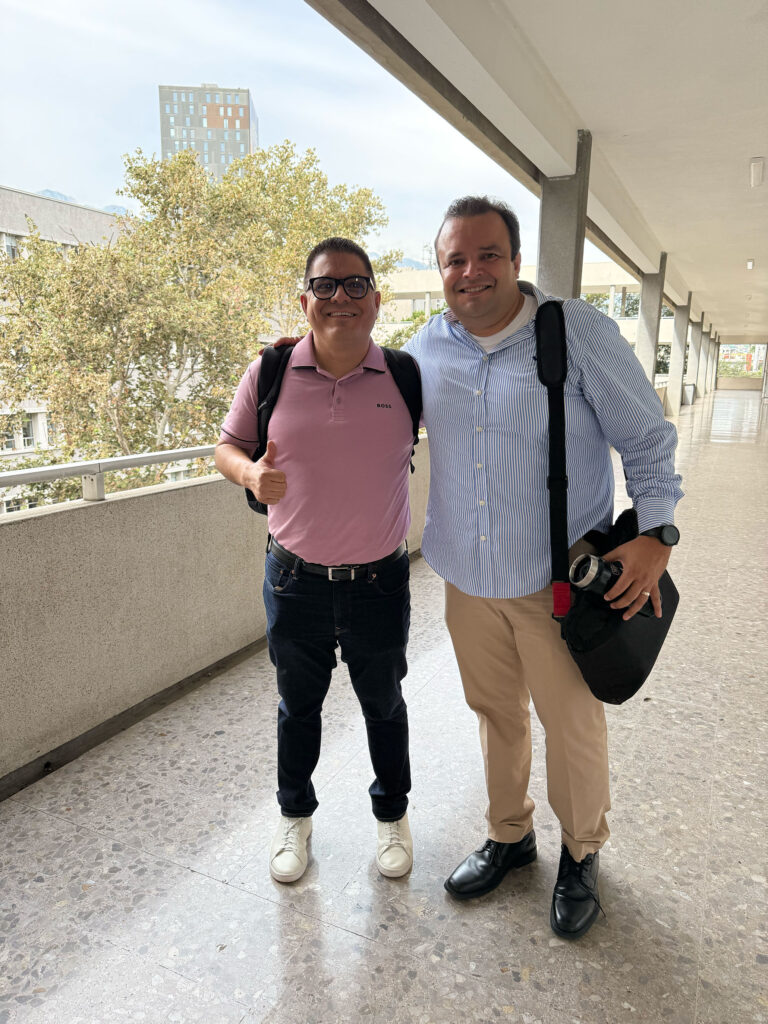
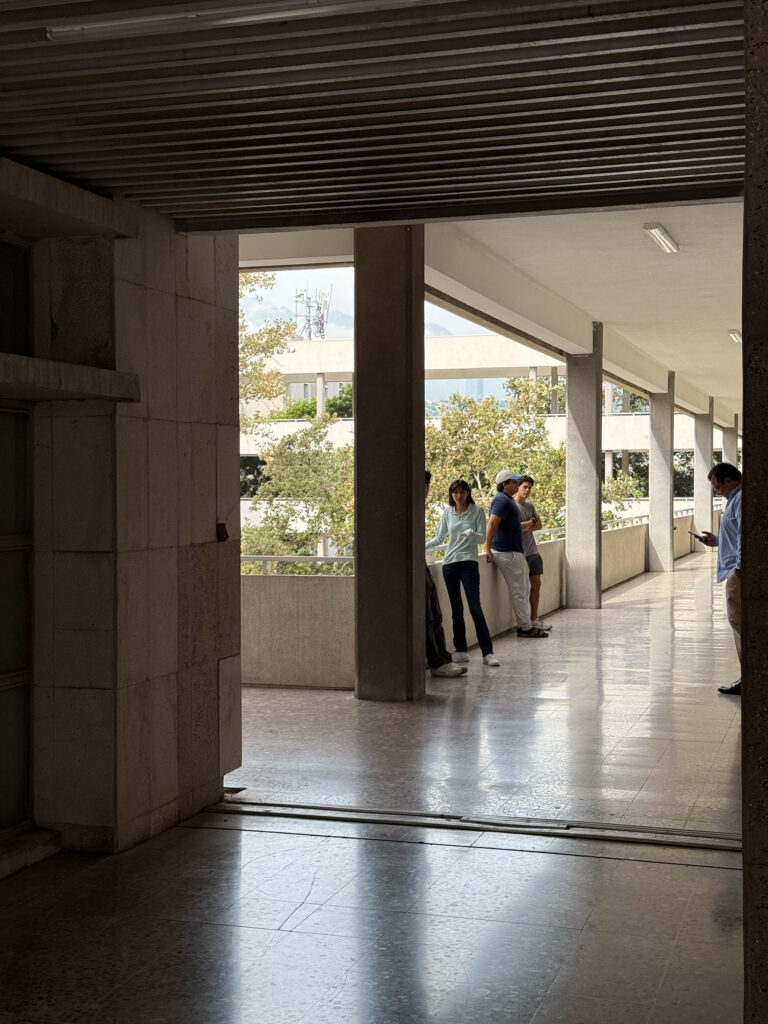
Left: Jorge Figueroa Silva and Dr. Juan Pablo Solís at Tecnológico de Monterrey during Tilt-Up Week. Right: Students at Tecnológico de Monterrey take a break during Tilt-Up Week, where Tilt-Up Academy coursework is being incorporated into their semester studies.
A Partnership Between Academia and Industry
The model brings together resources that each organization is uniquely positioned to provide.
Tecnológico de Monterrey provides the academic environment in which students are developing their understanding of design and construction. TCA brings education informed by the knowledge and experience of professionals actively engaged in tilt-up.
That connection was evident as the collaboration began at Tec. Students examined tilt-up through factors including time, cost, safety, and sustainability, alongside market information connecting construction decisions with the conditions in which projects are actually developed.
Tilt-Up Academy extends that experience throughout the semester. Eight Academy courses give students an opportunity to continue exploring the system through structured education and assessment.
The result is more than exposure to tilt-up. It connects academic education with the body of knowledge developed by the industry students may soon enter.
Tec as a Model
Tecnológico de Monterrey is the first university to use the new Tilt-Up Academy classroom model, but the structure created through the partnership was designed to extend beyond a single institution.
Additional universities can establish classrooms, enroll students, provide faculty access, and use the same Academy resources and progress-tracking capabilities without requiring an entirely new program for each institution.
What began with a practical question—how to make Tilt-Up Academy work effectively within a university course—has therefore produced a repeatable model for connecting university classrooms with TCA education.
For TCA, that creates an opportunity to reach future architects, engineers, contractors, and other construction professionals while their understanding of building systems is still being formed.
It also gives the knowledge accumulated within the TCA community another way to produce value. University access to Tilt-Up Academy is provided at no cost to participating institutions through the support of TCA Sustaining Members, extending industry-developed education to students before they enter professional practice.
The first expression of that model is now underway at Tecnológico de Monterrey.
Twenty-eight students are not simply hearing about tilt-up. They are studying it, completing industry-developed coursework, being assessed on what they learn, and doing so within their formal university education.
Now, the same opportunity can extend further.
Universities and faculty interested in incorporating Tilt-Up Academy into their own coursework are encouraged to contact the Tilt-Up Concrete Association to explore establishing a classroom of their own.

Be the first to comment