
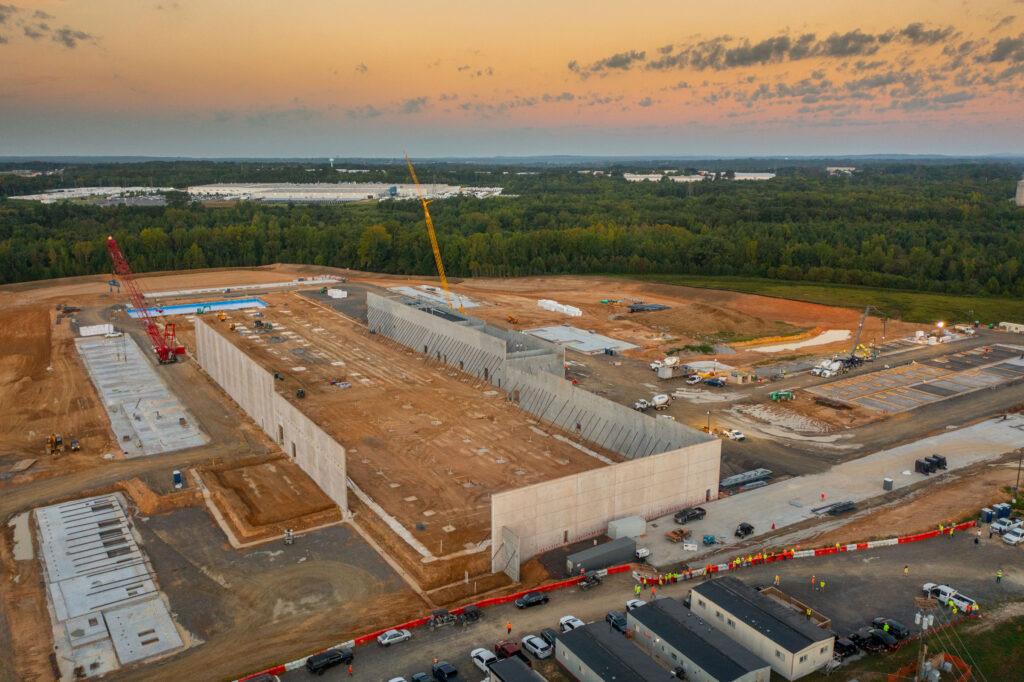
From panel forming and concrete placement to erection and bracing, multiple phases of tilt-up construction often unfold simultaneously. Viewing the project as a complete system creates opportunities to improve efficiency, reduce waste, and make more sustainable decisions throughout the process.
This article is the first installment in Building Sustainability into Tilt-Up, a six-part series from the Tilt-Up Concrete Association Sustainability Committee expanding on the recommendations introduced in Considerations for Sustainability in Tilt-Up Construction. Each article explores one consideration in greater depth, offering practical strategies that project teams can use to reduce environmental impact while improving project performance.
One of the enduring principles of tilt-up construction is that it is more than a construction method—it is a system. Successful projects are not the result of a single design decision, product selection, or construction technique. They are the outcome of coordinated planning, thoughtful engineering, effective communication, and disciplined execution across every phase of a project.
The same principle applies to sustainability.
A project’s environmental performance is rarely determined by a single product or specification. Lower-carbon concrete mixtures, recycled reinforcing steel, or products accompanied by Environmental Product Declarations (EPDs) are all important considerations, but they represent only part of the opportunity. Many of the greatest improvements occur long before concrete is placed through decisions that reduce waste, improve efficiency, simplify construction, and eliminate unnecessary material use throughout the project lifecycle.
Thinking of tilt-up as a system encourages project teams to evaluate how design decisions, material selection, procurement, logistics, construction methods, and quality management work together to improve both project performance and environmental outcomes.
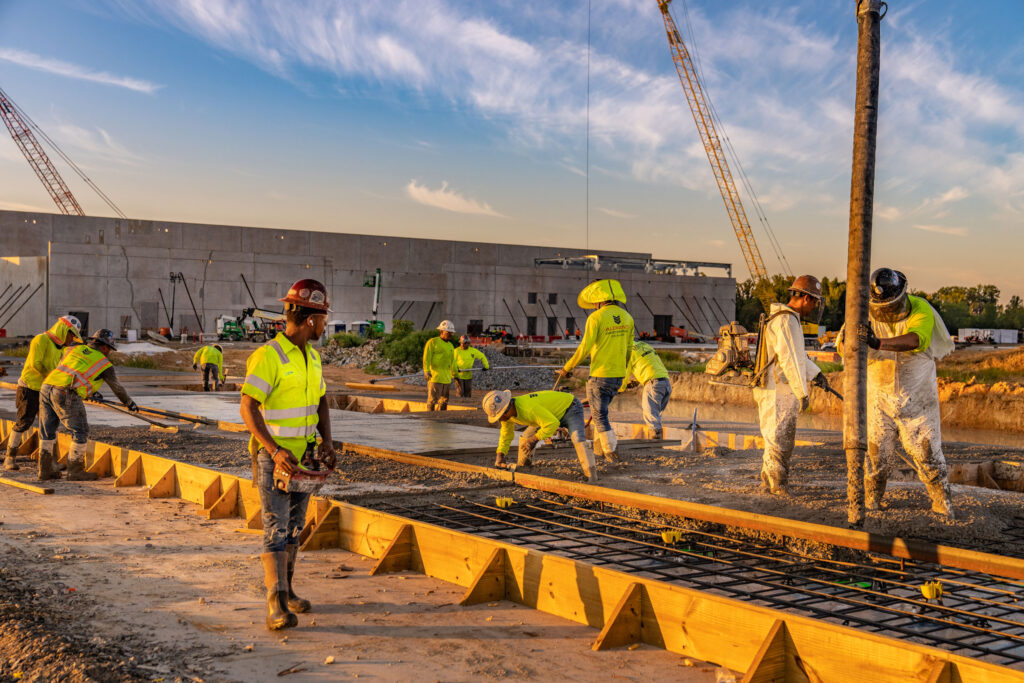
Concrete placement is one part of a larger construction sequence. Mix performance, crew productivity, panel layout, equipment access, lifting schedules, and subsequent operations all influence decisions made well before placement begins.
Plan the Project as a System
Every tilt-up project is an interconnected process. Design decisions influence construction methods. Material selections affect procurement and logistics. Construction sequencing impacts labor, equipment utilization, and waste. Decisions made by one member of the project team often create opportunities—or unintended consequences—for everyone else.
Because of these relationships, sustainability should become part of the earliest project conversations rather than a final design review.
Early collaboration between owners, architects, structural engineers, general contractors, concrete contractors, ready-mix suppliers, reinforcing suppliers, manufacturers, and specialty product suppliers creates opportunities to improve both project performance and environmental outcomes. Together, the team can evaluate alternative materials and systems, optimize panel layouts, refine reinforcement strategies, coordinate lift sequencing, evaluate bracing requirements, and right-size structural elements to meet project requirements without unnecessary material consumption.
Constructability reviews and value engineering further strengthen this process by identifying opportunities to simplify construction while maintaining structural performance, architectural intent, and long-term durability. Many of these decisions reduce environmental impact while also lowering costs, improving schedules, and reducing project risk.
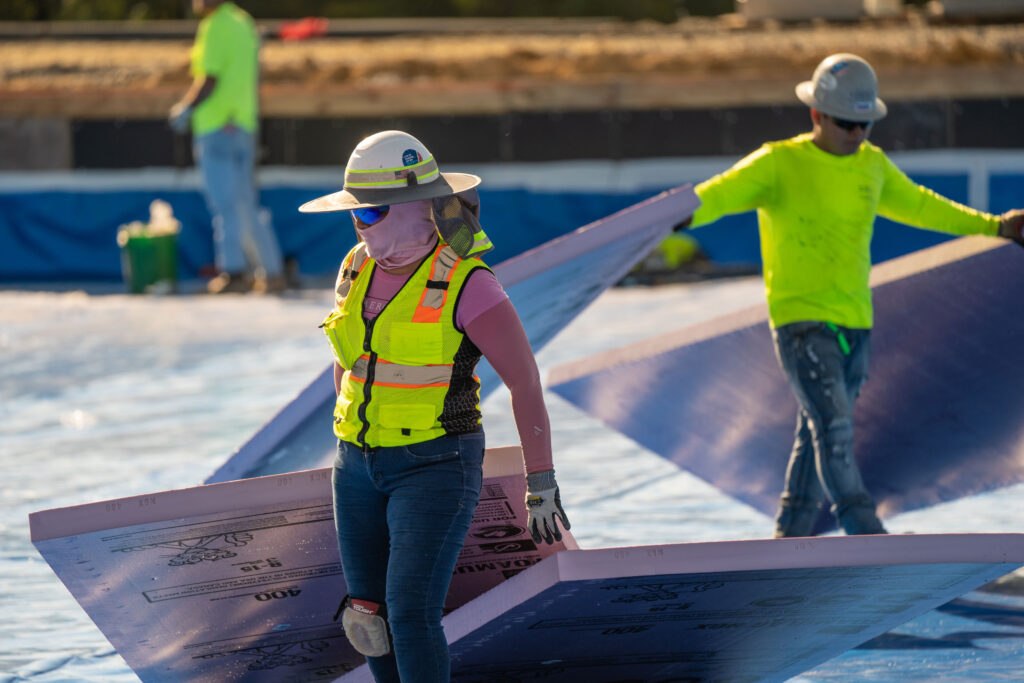
Material decisions affect more than the finished building. Product dimensions, packaging, handling requirements, installation methods, and jobsite waste all contribute to the resources required to put a material in place.
Make Material Decisions That Create Value
Sustainable construction is not simply about purchasing products with environmental attributes. It also requires selecting materials and systems that create value throughout the construction process.
Material decisions should consider overall performance, safety, quality, constructability, and lifecycle impacts rather than focusing solely on initial purchase price. Products that require fewer applications, reduce packaging, minimize onsite cutting or modification, and simplify installation often reduce environmental impact while improving productivity.
Reusable formwork systems, prefabricated or pre-cut components, and products that minimize waste can reduce labor hours, equipment use, and material disposal. Likewise, reducing unnecessary component counts and designing out inefficiencies decreases opportunities for field modifications, patching, and corrective work later in construction.
The most sustainable material is often the one that performs as intended with the fewest resources required to install it correctly the first time.
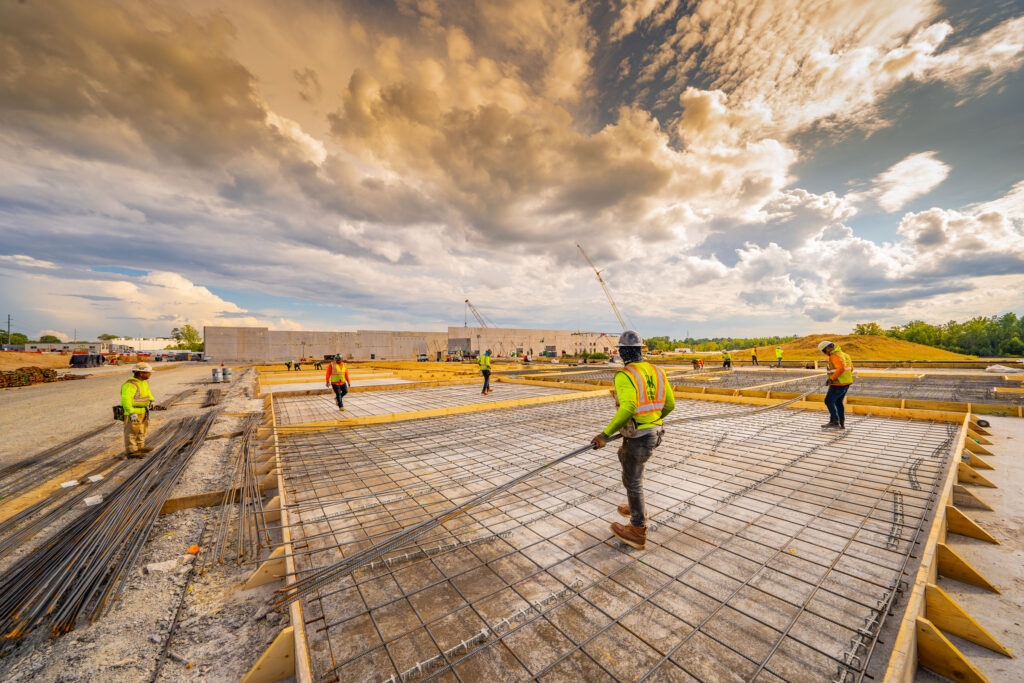
Reinforcing steel is one of many material systems influenced by decisions made beyond the jobsite. Sourcing, fabrication, delivery, layout, and installation each present opportunities to improve efficiency and reduce unnecessary material use.
Make Suppliers Part of the Solution
Suppliers influence far more than material availability.
Ready-mix producers, reinforcing suppliers, manufacturers, and specialty product suppliers bring technical expertise that can help project teams improve both sustainability and constructability. Early engagement allows suppliers to recommend alternative materials, suggest more efficient systems, provide application guidance, and identify opportunities to reduce material quantities without compromising performance.
Supply chain planning also deserves careful attention. Prioritizing local or regional sourcing when practical, coordinating deliveries with construction sequencing, bundling shipments, and minimizing onsite storage all reduce transportation impacts while improving jobsite efficiency.
The result is fewer deliveries, less material handling, reduced congestion, and fewer opportunities for damage or waste.
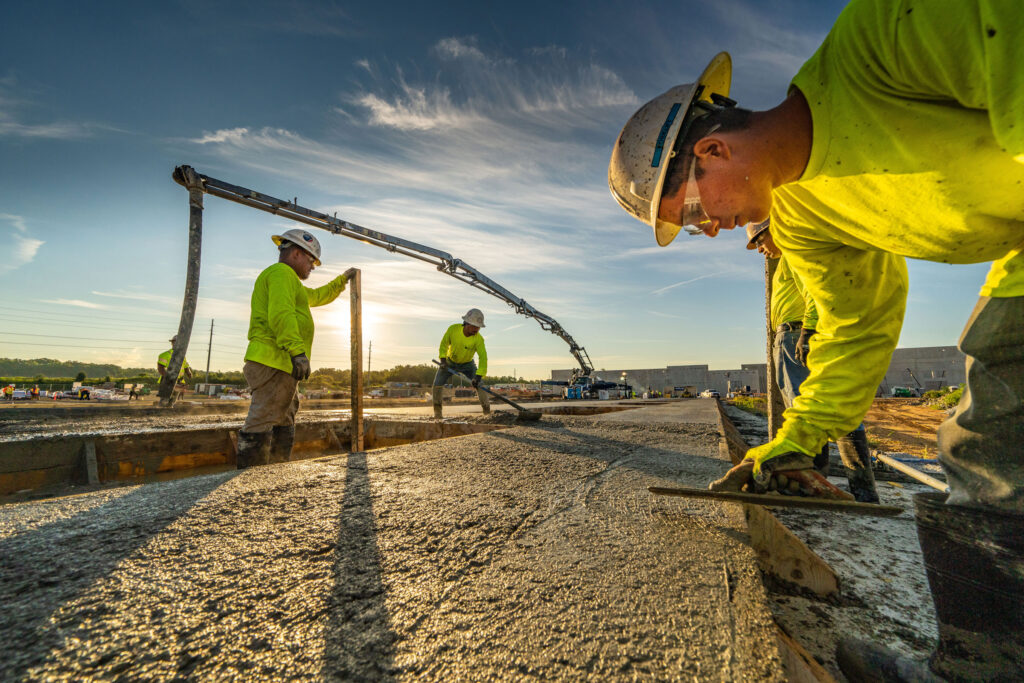
Quality at every stage matters. Careful placement and finishing help deliver the intended result the first time, avoiding corrective work that can add labor, materials, equipment use, and waste later in the project.
Eliminate Rework Before It Happens
Rework is one of construction’s greatest sources of unnecessary environmental impact.
Every repair requires additional materials, labor, equipment operation, transportation, and waste disposal. Grinding, patching, recoating, replacing damaged materials, or correcting installation errors all consume resources that careful planning could have prevented.
Strong quality assurance and quality control processes, standardized construction details, early supplier involvement, thoughtful sequencing, and consistent installation practices all reduce the likelihood of downstream waste. Emerging technologies that identify issues earlier in construction further improve quality while preventing costly corrections later in the project.
Simply put, the most sustainable project is often the one that avoids rework altogether.
Sustainability is Good Project Management
Many sustainability strategies are simply examples of good project management.
Projects that reduce unnecessary material use, optimize logistics, improve quality, minimize equipment runtime, and eliminate waste often reduce both environmental impact and total project cost. Water management, erosion control, recycling, waste planning, and efficient construction sequencing all become part of a broader strategy focused on maximizing value rather than minimizing first cost.
Viewed this way, sustainability is not another project requirement layered onto an already complex process. It is the natural result of thoughtful planning, informed decision-making, and disciplined execution across the entire tilt-up system.
Mirando hacia el futuro
The next article in the Building Sustainability into Tilt-Up series explores Specifying Concrete for Performance, examining how performance-based specifications create opportunities for innovation while maintaining the strength, durability, and quality required for successful tilt-up construction.
By the Tilt-Up Concrete Association Sustainability Committee
Photos by Mathew McFraland

Sé el primero en comentar