
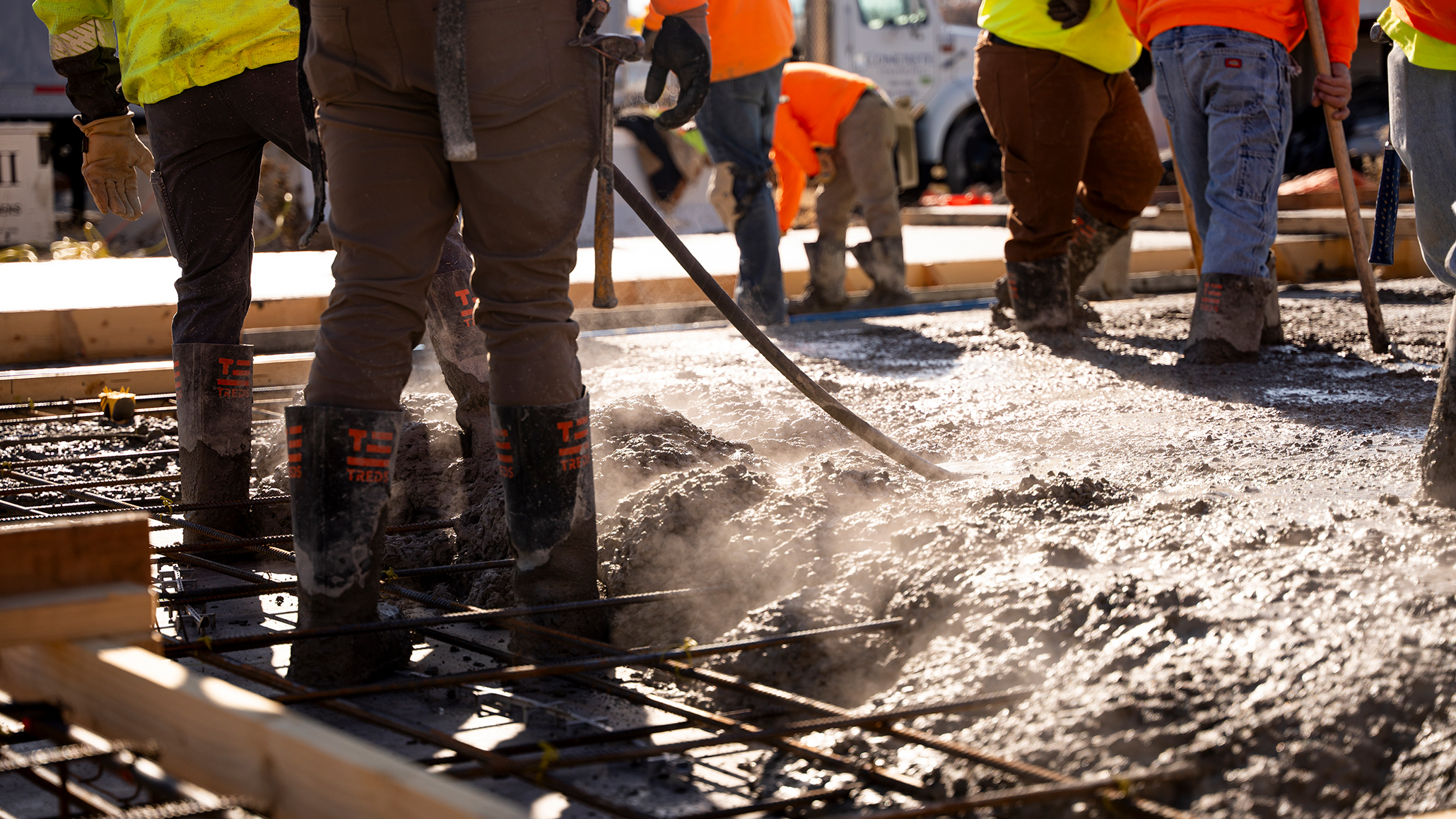
Un consorcio de socios de las industrias de diseño, construcción y materiales se unió a finales de 2023 para evaluar un desafío que está dando forma cada vez más al futuro de la construcción con hormigón: cómo reducir significativamente el carbono incorporado sin dejar de cumplir los exigentes cronogramas requeridos para la entrega moderna de paneles premoldeados (tilt-up).
El resultado fue un programa de pruebas de campo focalizado en St. Louis, Missouri, centrado en mezclas experimentales de concreto de muros inclinados (tilt-wall) con bajo contenido de carbono, diseñadas específicamente para aplicaciones de vía rápida. El esfuerzo finalmente recibió una Mención de Honor en la inaugural Premio TCA a los logros en Sostenibilidad y Resiliencia programa.
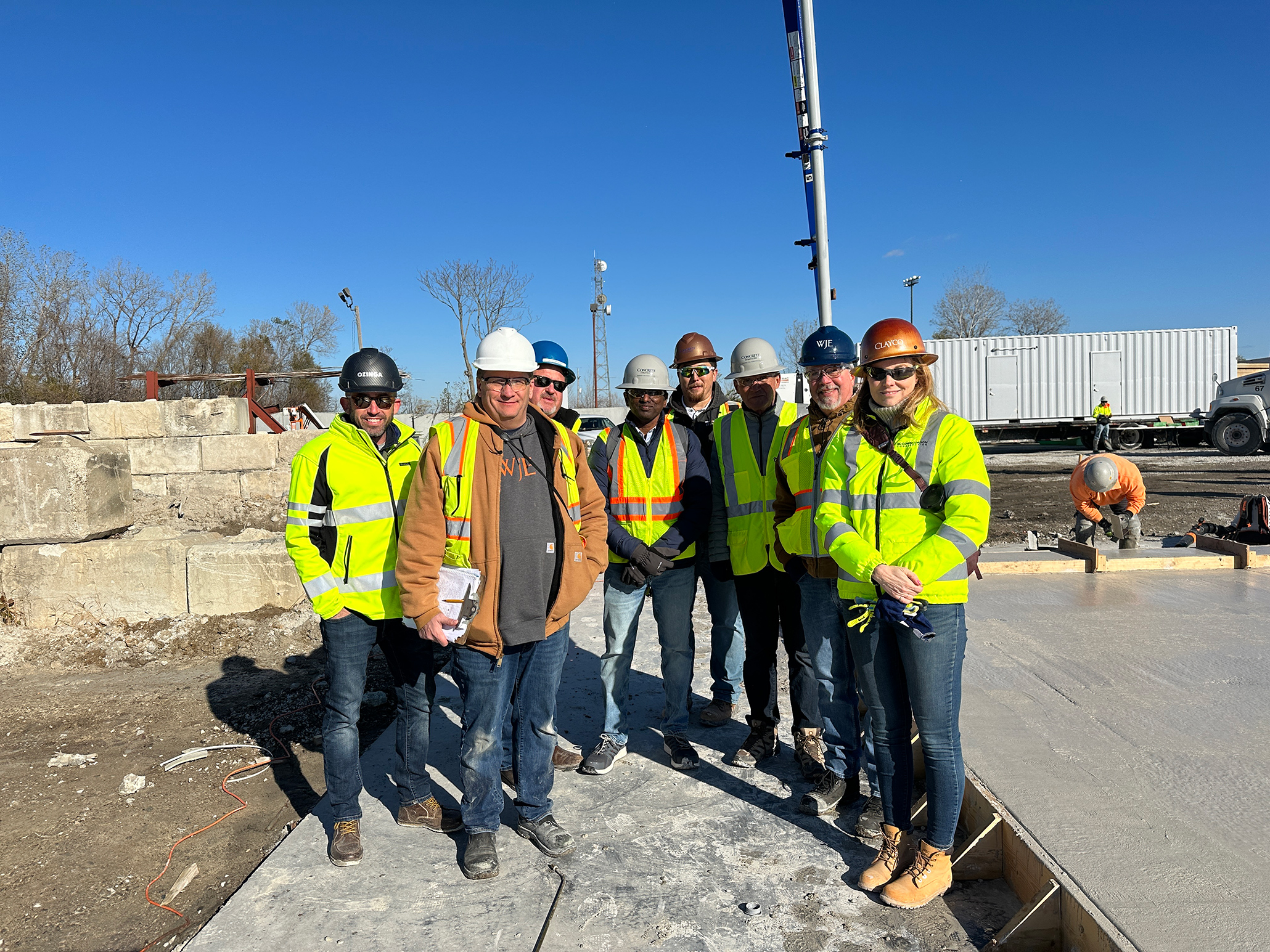
Liderado de forma colaborativa por equipos de Clayco Construction, Concrete Strategies, Wiss, Janney, Elstner Associates (WJE), Ozinga Concrete, Kienstra Concrete, Amazon Web Services, Breakthrough Energy y ClimateWorks Consulting, el programa buscó evaluar si las mezclas de concreto con menor contenido de carbono podían alcanzar el desempeño de resistencia temprana necesario para la construcción de muros prefabricados, condicionada por los plazos.
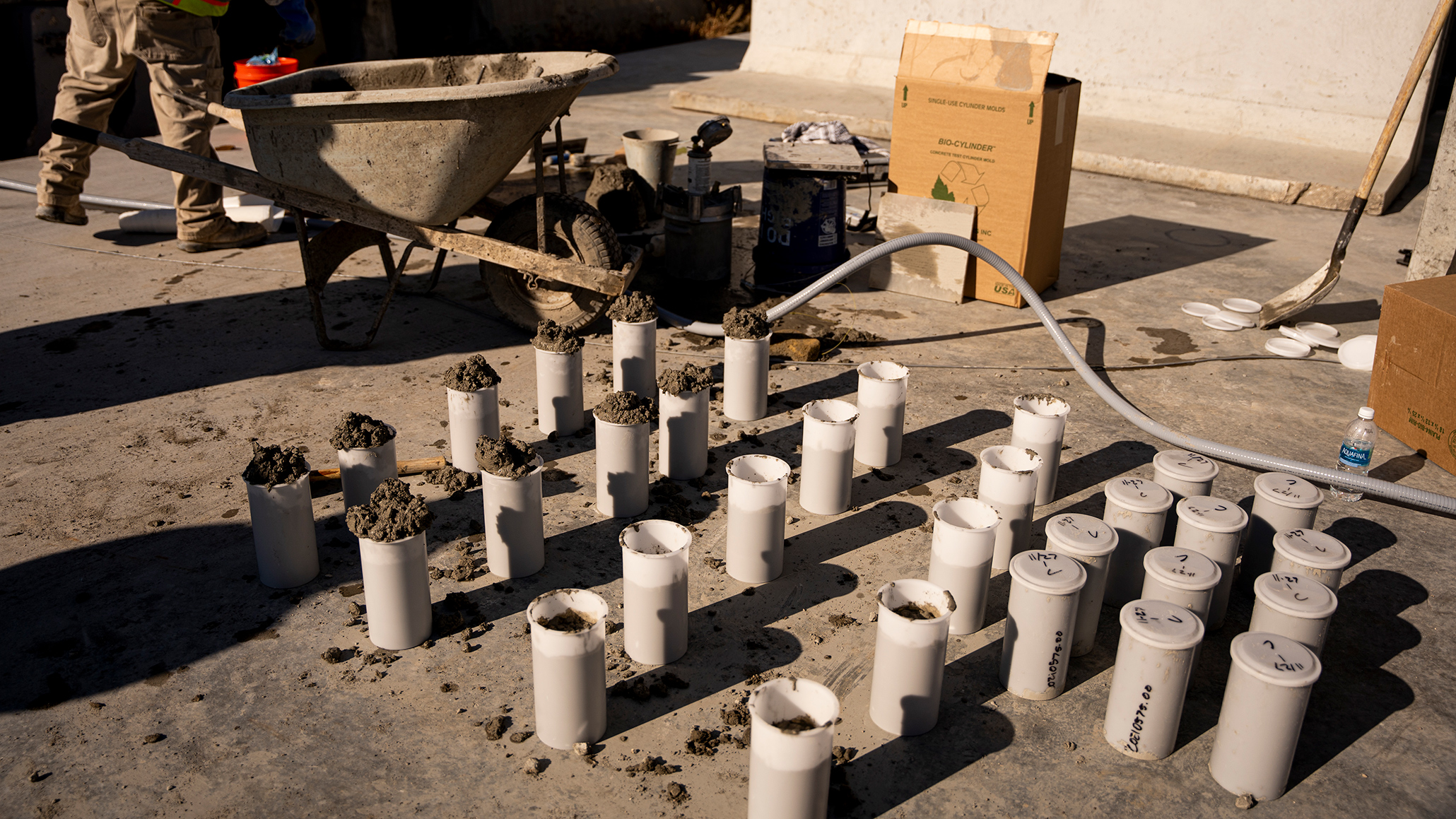
Los cronogramas de construcción con paneles prefabricados a menudo requieren que las paredes se levanten a los pocos días de su colocación. Comúnmente se utilizan mezclas de concreto de alta resistencia temprana para cumplir con estos plazos, y los paneles a veces se levantan tan pronto como tres días después del vaciado. Sin embargo, muchas estrategias de concreto bajo en carbono dependen de materiales cementicios suplementarios (SCM, por sus siglas en inglés), los cuales pueden alterar las curvas tradicionales de ganancia de resistencia y generar preocupaciones sobre la compatibilidad con los cronogramas de obra.
Para evaluar el rendimiento en condiciones de campo realistas, el equipo produjo y monitoreó tres mezclas de paneles de muro basculante por separado:
- Una mezcla de control que utiliza cemento 100% de tipo IL
- Una mezcla compuesta que contiene escoria de alto horno 25%
- La mezcla de cemento de la marca 1157 de Ozinga
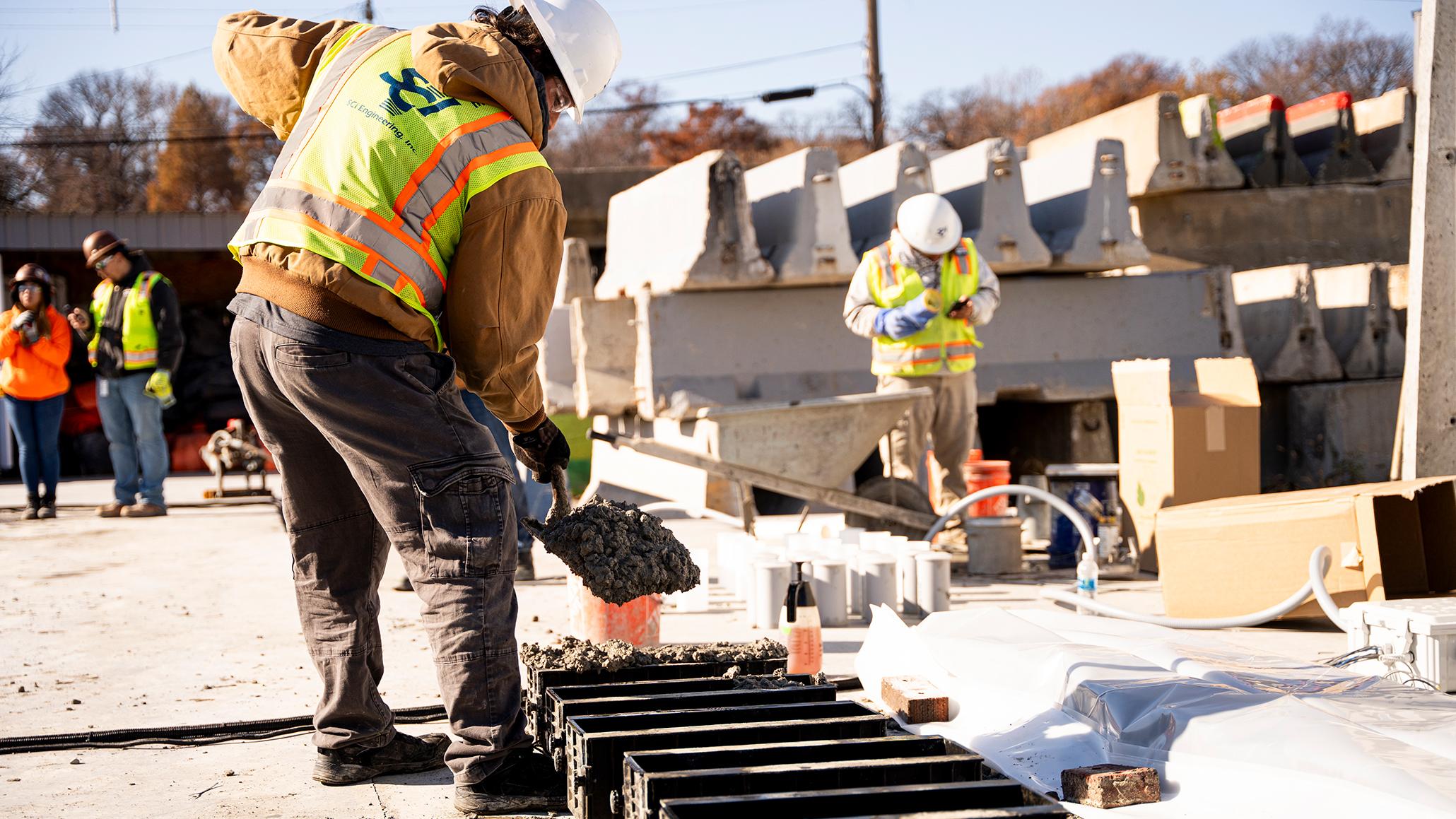
Antes de la colocación en campo, las pruebas de laboratorio realizadas por WJE confirmaron que las tres mezclas podían alcanzar los umbrales de resistencia a la compresión y a la flexión necesarios para el montaje de paneles en tres días. Las pruebas de campo se centraron entonces en la constructibilidad en el mundo real, el comportamiento de la colocación, las características de acabado y el desarrollo de la resistencia temprana.
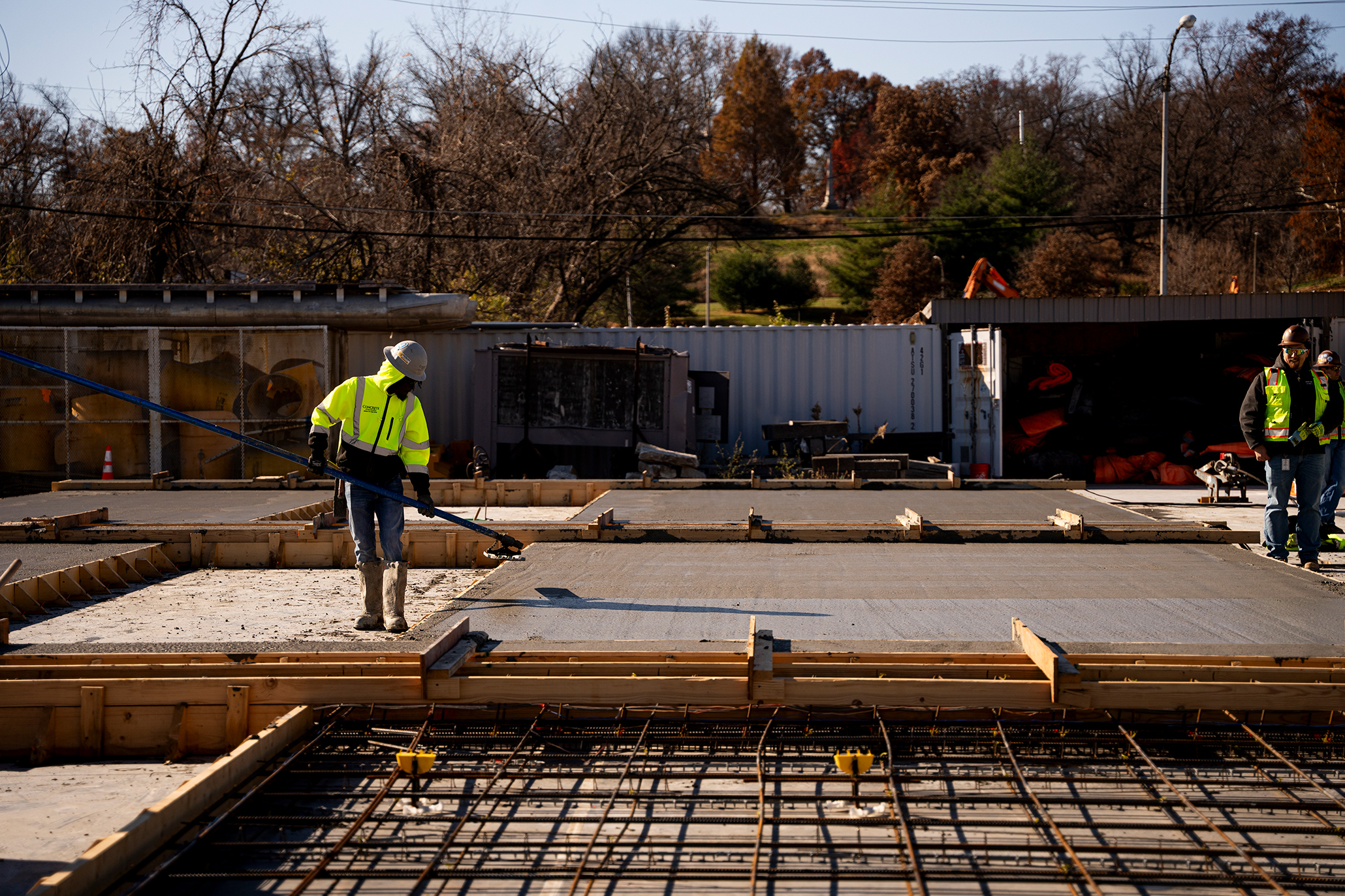
Según el equipo del proyecto, las tres mezclas se bombearon, colocaron y terminaron con éxito en el campo. Dos de los tres paneles alcanzaron la resistencia a la compresión y a la flexión suficiente para su montaje al tercer día, mientras que la tercera mezcla, diseñada para lograr la mayor reducción de carbono incorporado, alcanzó los objetivos de resistencia al séptimo día, después de que las temperaturas más frías de colocación afectaran las condiciones de curado.
Las reducciones de carbono incorporado logradas a través del programa de pruebas representaron uno de los resultados más significativos del proyecto. En comparación con el punto de referencia regional de la NRMCA para concreto de 5,000 psi, las tres mezclas lograron valores progresivamente más bajos de potencial de calentamiento global, y la mezcla más agresiva redujo el carbono incorporado en aproximadamente un 64 por ciento en relación con el punto de referencia.
El esfuerzo de prueba también enfatizó la practicidad de campo. Las narrativas del proyecto presentadas como parte del programa de premios señalaron que la retroalimentación de los contratistas durante el bombeo, la colocación y el acabado se consideró esencial para evaluar si las mezclas podían ganar adopción en la industria de manera realista. Las cuadrillas inicialmente encontraron desafíos de trabajabilidad con la mezcla patentada de bajo carbono, lo que llevó a ajustes en las técnicas de vibración y colocación que más tarde informaron los refinamientos en el diseño de la mezcla en sí.
El Premio TCA a la Excelencia en Sostenibilidad y Resiliencia se creó para reconocer el liderazgo en el diseño, la construcción y el rendimiento del ciclo de vida de las estructuras de concreto precolado y fundido in situ en toda América del Norte.
Si bien el programa de pruebas no estuvo asociado con una estructura ocupada completada o un esfuerzo formal de certificación, el equipo participante enfatizó que el trabajo ya ha influido en aplicaciones de proyectos posteriores. Según la presentación, variantes de las mezclas probadas se han incorporado desde entonces en trabajos a gran escala de centros de datos, y las pruebas adicionales continúan para losas sobre el terreno y futuras implementaciones de muros prefabricados.
De manera más amplia, el esfuerzo refleja un interés creciente en toda la industria de la construcción por equilibrar la reducción de carbono incorporado con la constructibilidad, la durabilidad, el costo y la velocidad de entrega, factores que dan forma cada vez más tanto a los resultados de los proyectos como a la innovación de materiales dentro de la construcción con paneles prefabricados.

Sé el primero en comentar